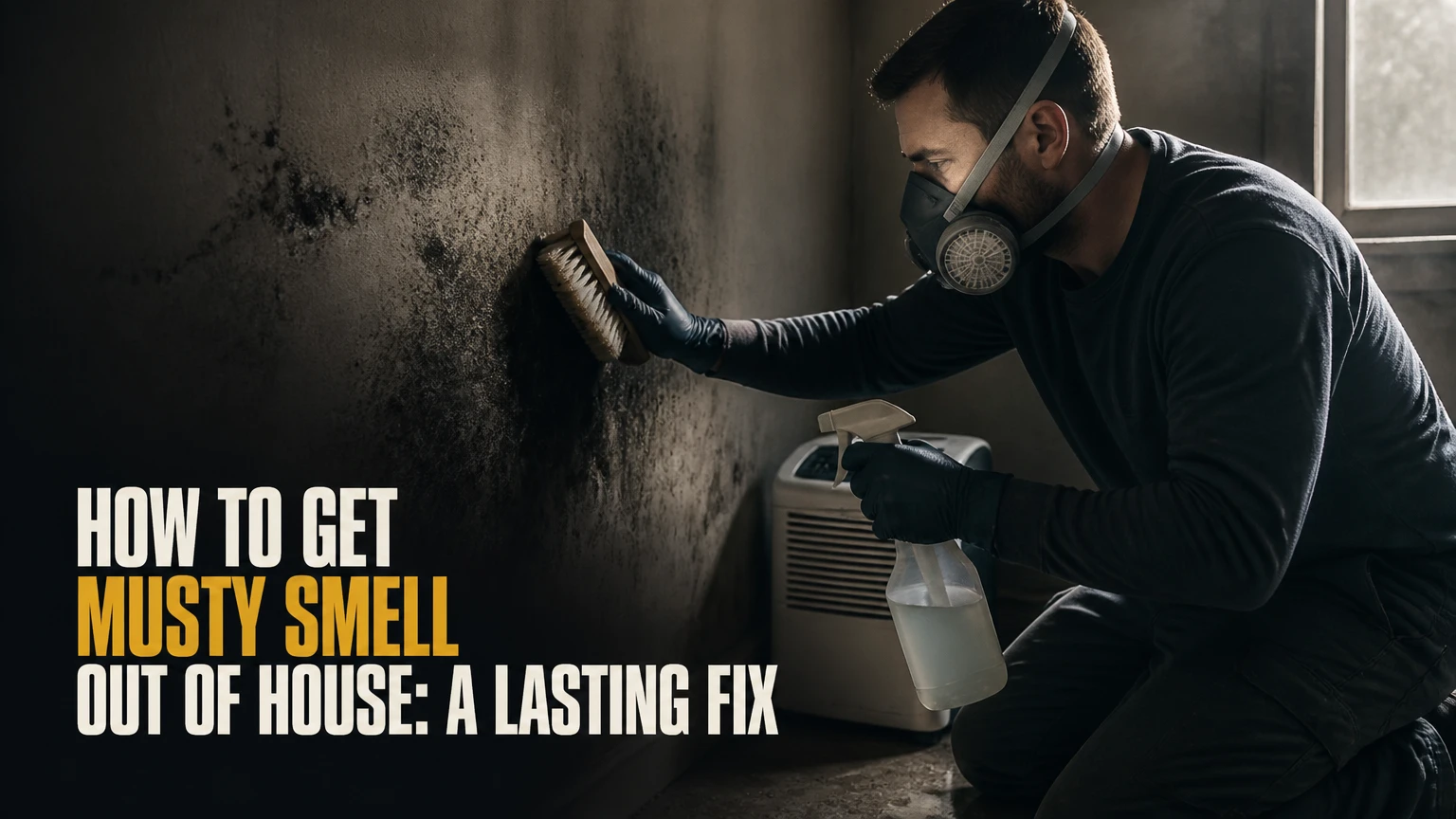
How to Get Musty Smell Out of House: A Lasting Fix
To get a musty smell out of a house, locate and stop the moisture source, dry the building, remove contaminated porous materials, clean salvageable surfaces, and use activated carbon for residual odor. Most small, accessible problems take 1-3 days and cost $20-$600, while hidden mold, flooding, or HVAC contamination requires professional remediation.
Key Facts / At a Glance
The U.S. Environmental Protection Agency recommends keeping indoor relative humidity below 60%, ideally between 30% and 50%, to limit mold growth.
A musty smell indicates odor-producing compounds or damp porous materials, but it does not prove that mold is present.
Activated carbon reduces odor gases; a HEPA filter captures airborne particles. Neither device removes a wet wall, leaking pipe, or moldy carpet pad.
Porous drywall, insulation, carpet padding, and upholstered furniture often require removal when they remain wet or visibly moldy.
Never mix bleach with vinegar, ammonia, or other cleaners because the reactions can release dangerous gases.
The odor is controlled permanently only when moisture stays resolved for at least several days after cleaning.
What Causes a Musty House Smell?
A musty house smell usually comes from damp materials, microbial volatile organic compounds, or stagnant air in a low-ventilation area. Mold and other fungi can produce these compounds, but sewage gas, wet insulation, decaying organic matter, old books, and plumbing problems can create similar earthy odors.
The smell often concentrates where moisture meets cellulose or natural fibers. Common reservoirs include drywall paper, carpet backing, wood framing, cardboard, cotton, leather, stored clothing, and dust inside return-air pathways. A basement can smell musty because of foundation seepage, while an upstairs closet may have condensation against a cold exterior wall.
The EPA states, “The key to mold control is moisture control,” in its Mold Remediation in Schools and Commercial Buildings guidance. That principle applies to houses: deodorizing sprays reduce perception temporarily, but they do not correct water intrusion or damp materials.
Is a musty smell always mold?
No. Musty odor is a warning to investigate, not a mold test result. A clean but humid basement can smell earthy without visible colonies, and a dead rodent, dry floor drain, or wet crawl-space insulation can create the same symptom.
| Odor pattern | Likely source | First inspection | Typical response |
|---|---|---|---|
| Strongest after rain | Foundation seepage or roof leak | Basement walls, sill plates, attic | Repair water entry and dry materials |
| Strongest when HVAC runs | Return-air pathway or damp filter | Filter, return grille, condensate pan | Replace filter and inspect HVAC |
| Sour odor near bathroom | Dry drain trap or sewer gas | Floor drain, sink overflow, toilet seal | Add water to trap and call a plumber if persistent |
| Sweet, decaying odor | Dead animal or organic debris | Attic, wall cavity, crawl space | Remove source with appropriate protection |
| Fabric-specific odor | Wet carpet pad or upholstery | Carpet edge, furniture underside | Clean if salvageable, replace saturated padding |
| Closed-room odor | Stagnant air and stored porous goods | Closet corners, boxes, exterior wall | Remove contents, ventilate, measure humidity |
Before You Start
Plan on 2-6 hours for inspection and setup, 1-3 days for a small accessible source, and $20-$600 for common DIY equipment. Difficulty is moderate, but hidden moisture, sewage, extensive mold, or contaminated HVAC systems changes the job from cleaning to building remediation.
Materials and prerequisites
| Item | Typical quantity or specification | Typical U.S. cost | Purpose |
|---|---|---|---|
| Hygrometer | 1 per affected floor, 30%-50% RH display | $10-$25 each | Tracks indoor humidity |
| Dehumidifier | 35-50 pint per day for a damp room | $180-$500 | Removes water vapor |
| HEPA vacuum | True HEPA exhaust, sealed body preferred | $150-$500 rental or purchase | Captures settled dust and particles |
| Activated carbon filter | Carbon bed, not carbon dust alone | $30-$250 | Adsorbs odor compounds |
| Respirator | N95 for minor work, professional assessment for larger areas | $5-$40 | Reduces inhalation exposure |
| Nitrile gloves and goggles | One pair of gloves per cleaning session | $10-$25 | Protects skin and eyes |
| Cleaning solution | Detergent or EPA-registered product used as labeled | $8-$35 | Removes soil from hard surfaces |
| Plastic bags and sheeting | Heavy-duty bags plus 6-mil sheeting | $10-$30 | Contains discarded materials |
Do not begin demolition if the affected area is larger than about 10 square feet, the water involved sewage, the source is inside HVAC equipment, or anyone in the home has significant asthma, severe allergies, or immune suppression. The EPA uses approximately 10 square feet as a practical point at which larger mold-cleanup guidance becomes relevant, although the water source and material type matter as much as area.
Step 1: Find the Strongest Odor and Moisture Source
Locate the strongest odor before applying cleaner, because the smelliest room is not always the source. Compare baseboards, carpet edges, closets, exterior walls, plumbing chases, crawl-space openings, attic insulation, and HVAC return grilles, then confirm suspicious areas with a moisture meter or visible condensation.
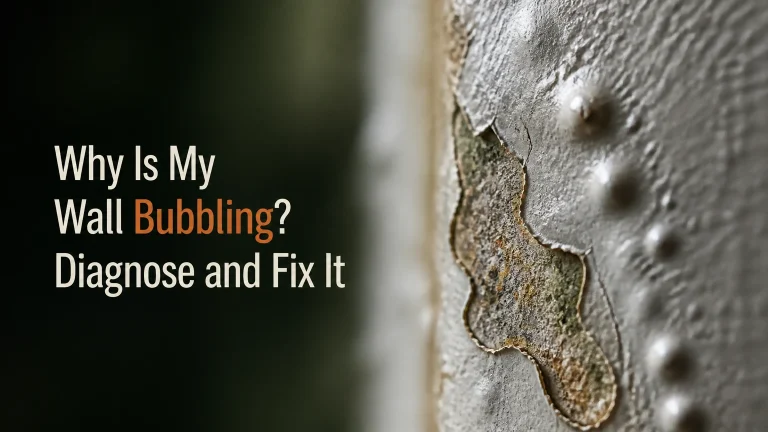
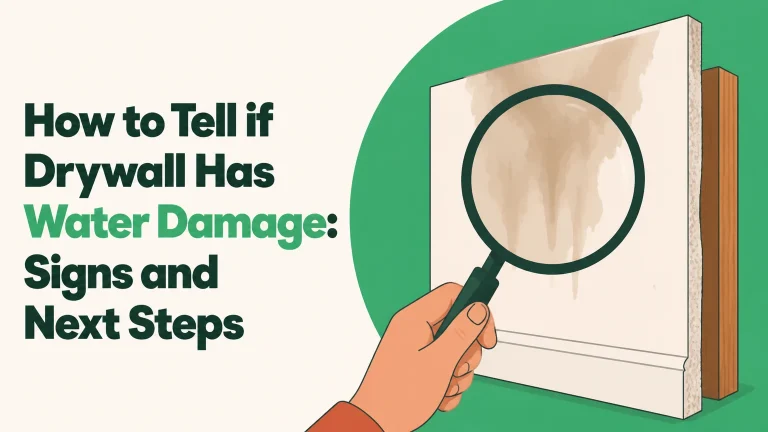
Start at floor level and work upward. Look for peeling paint, swollen trim, staining, soft drywall, buckled flooring, rusty fasteners, condensation, efflorescence on masonry, and damp cardboard. Inspect after rain and while the air conditioner operates, since intermittent leaks often disappear during a dry inspection.
A pinless moisture meter helps compare one area with a nearby dry control area. Moisture percentages are not universal pass-fail values because meter calibration changes with wood species, temperature, salts, and substrate; a reading substantially higher than an unaffected comparison area deserves investigation.
Check outside too. Gutters, downspouts, grading, roof penetrations, window wells, and hose bibs can deliver water to a basement even when interior plumbing looks normal.
You will know it worked when: the strongest odor location is documented, the suspected material is identified, and a plausible water pathway is visible or measurable.
Common mistake: cleaning the entire room before inspecting behind furniture and under carpet edges, which spreads moisture and delays source identification.
Step 2: Control Humidity and Stop New Water
Stop the leak, seepage, condensation, or soil vapor before deodorizing. Use a hygrometer to maintain 30%-50% relative humidity when practical, and keep indoor humidity below 60% because warm air, cold surfaces, and seasonal conditions can otherwise support condensation.
Repair plumbing, roof flashing, window leaks, appliance supply lines, and foundation entry points. Clean the air-conditioner condensate pan and drain only if the system is safely accessible; arrange HVAC service when water is inside the cabinet or duct insulation.
For a damp basement, run a correctly sized dehumidifier with its drain hose directed to a floor drain or condensate pump. Keep doors and windows closed during humid outdoor weather, because ventilation can add water rather than remove it. In dry weather, short cross-ventilation can speed odor removal after the source is fixed.
| Moisture condition | Useful target or action | Equipment | Verification |
|---|---|---|---|
| Normal occupied room | 30%-50% RH | Hygrometer | Stable reading over 24 hours |
| Damp basement | Below 60% RH, preferably 40%-50% | 35-50 pint dehumidifier | Collection or drain operation |
| Fresh clean-water leak | Dry wet materials within 24-48 hours | Fans and dehumidifier | No cool dampness or rising odor |
| Wet wood framing | Compare with unaffected wood | Moisture meter | Downward trend and dry control match |
| Crawl-space vapor | Cover exposed soil and fix drainage | Encapsulation contractor | Lower RH and no standing water |
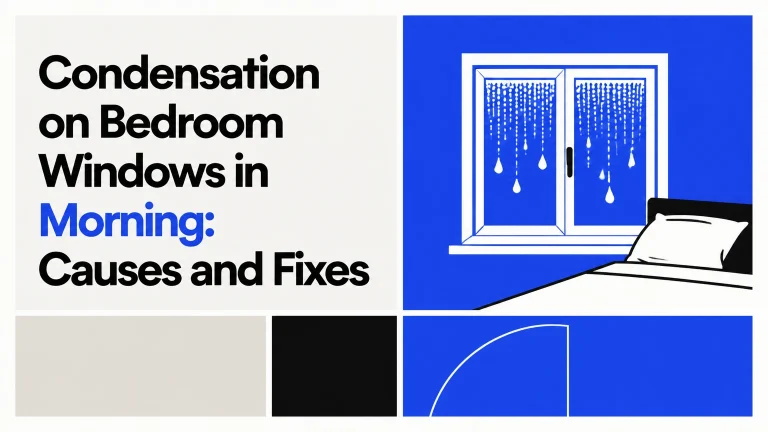
| Condensation on windows | Reduce indoor moisture and increase surface temperature | Exhaust fan, dehumidifier | Dry glass during comparable weather |
You will know it worked when: humidity remains below 60% for 24 hours, the leak is inactive, and moisture readings decline rather than merely shifting to another material.
Common mistake: placing a dehumidifier beside an active leak and assuming the machine can compensate for incoming water.
Step 3: Remove Materials That Cannot Be Salvaged
Remove saturated carpet padding, wet fiberglass insulation, moldy drywall, swollen particleboard, and heavily contaminated cardboard when drying and cleaning cannot restore them. Porous materials absorb water and odor into their internal structure, so surface spraying often leaves the odor source underneath.
Bag disposable materials inside the affected area before carrying them through the home. Cut drywall at least 12 inches beyond visible water damage only after confirming utilities and checking for hidden wiring or plumbing. Do not disturb suspected asbestos-containing materials, lead-painted surfaces, or extensive mold without qualified assistance.
Wash removable curtains, bedding, washable clothing, and small rugs according to their care labels. Dry them completely before returning them to the room. Upholstery can sometimes be cleaned when contamination is superficial, but foam cushions that stayed wet for more than 48 hours often retain odor.
You will know it worked when: no wet, swollen, or visibly contaminated porous reservoir remains, and discarded materials leave the home without contaminating clean rooms.
Common mistake: sealing a moldy or damp item in plastic and storing it indoors. Sealing stops spread temporarily, but it does not make the item clean.
Step 4: Clean Salvageable Hard and Soft Surfaces
Clean hard, non-porous surfaces with detergent and water, then dry them completely. For painted drywall, wood, concrete, tile, metal, and sealed cabinets, physical removal of residue matters more than a strong smell from the chemical used.
Use an EPA-registered antimicrobial product only when its label includes the surface and use pattern. Vinegar may reduce odor and surface mildew on some materials, but it is not a reliable treatment for hidden growth, porous drywall, or a continuing leak. Bleach can disinfect some hard, non-porous surfaces, yet it does not penetrate porous wood or drywall effectively and can damage materials.
Do not combine vinegar and bleach. Do not combine bleach and ammonia. Baking soda can reduce mild residual odor in fabrics and enclosed spaces, but a bowl of baking soda cannot dry a wall cavity or remove an odor reservoir.
For carpet, extract with a suitable carpet machine only after correcting the water source. Over-wetting carpet creates a second drying problem. Replace padding when it is stained, compressed, delaminated, or still smells after complete drying.
| Surface | Preferred first treatment | Replace or escalate when | Typical drying time |
|---|---|---|---|
| Sealed tile or metal | Detergent, rinse, dry | Grout or cavity remains wet | 4-24 hours |
| Painted drywall | Clean only minor surface soil | Soft, swollen, or wet behind paint | 24-72 hours if retained |
| Solid wood | Detergent, controlled drying | Rot, deep growth, or structural damage | 24-72 hours |
| Concrete masonry | Detergent and water, dry pores | Repeated seepage or concealed cavity | 24-96 hours |
| Carpet face | Low-moisture extraction | Odor remains in pad or backing | 24-48 hours |
| Carpet padding | Usually replace after prolonged wetting | Any persistent odor or visible growth | Replacement preferred |
| Upholstery | Label-approved extraction | Wet foam or deep contamination | 24-72 hours |
You will know it worked when: cleaned surfaces are dry, residue-free, and odor-neutral after the room remains closed for several hours without fragrance.
Common mistake: repainting a stained wall before measuring and drying it. Paint can trap moisture and conceal a recurring leak.
Step 5: Use Air Filtration for Residual Odor
Use activated carbon to reduce residual odor gases and HEPA filtration to capture airborne particles. Carbon requires a meaningful amount of sorbent and regular replacement, while HEPA filtration does not remove gases or fix the damp material producing the smell.
Choose an air purifier by clean air delivery rate, room size, noise, and filter design rather than by the word “HEPA” alone. Place the unit in the affected room with clear intake space, run it continuously during cleanup, and replace the carbon or particle filter according to loading and manufacturer instructions.
An air scrubber with negative pressure is appropriate for professional containment, not for casually exhausting contaminated air into an occupied hallway. A fan blowing out a window can help with clean, localized odor work, but it can also spread spores or pull air from a crawl space if the pathway is uncontrolled.
| Method | Removes | Does not remove | Best use |
|---|---|---|---|
| HEPA filter | Airborne particles and some spores | MVOCs, wet drywall, leaks | Particle reduction during cleanup |
| Activated carbon | Many odor gases by adsorption | Bulk moisture and colonies | Residual household odor |
| Dehumidifier | Water vapor | Mold residue and settled dust | Humid basements and rooms |
| Exhaust fan | Stale indoor air | Hidden source and wet materials | Short exchange in dry weather |
| Ozone generator | Oxidizes some compounds | Reliable source control | Avoid in occupied homes |
| Air scrubber | Controlled filtered airflow | Building repairs | Professional containment |
Ozone generators deserve special caution. The EPA warns that ozone at concentrations allowed for health standards is generally ineffective against indoor contaminants, while higher concentrations can irritate the lungs and damage materials. Keep people and pets away from any professional treatment area, and never use ozone as a substitute for moisture correction.
You will know it worked when: the odor remains low after filtration stops for several hours and humidity stays controlled.
Common mistake: buying a small purifier with a thin carbon sheet and expecting it to remove odor from a wet basement.
Which Cleaning Method Fits the Surface?
Detergent and physical removal are the default for most household surfaces, while vinegar, baking soda, bleach, and commercial antimicrobials have narrower roles. No chemical treatment can replace removal of saturated porous material or repair of the water pathway.
| Option | Appropriate surface | Typical cost | Main limitation |
|---|---|---|---|
| Unscented detergent | Sealed wood, tile, metal, painted surfaces | $5-$15 | Does not treat hidden growth |
| White vinegar | Limited surface mildew and odor residue | $3-$8 | Can damage stone and some finishes |
| Baking soda | Fabrics and mild residual odor | $2-$7 | Does not dry cavities or kill hidden mold |
| Diluted bleach | Selected hard, non-porous surfaces | $4-$12 | Poor porous penetration and material damage |
| EPA-registered product | Labeled compatible surfaces | $8-$35 | Must follow label and contact time |
| Professional cleaning | Large or sensitive contents | $150-$800 typical | Does not fix building leaks |
Common Mistakes and How to Fix Them
Musty odor returns when cleaning removes the symptom but leaves moisture, porous contamination, or an air pathway. The most reliable recovery is to stop the source, remove the reservoir, dry the structure, and then verify odor and humidity over several days.
- Using fragrance or candles: Stop masking the odor, ventilate only when outdoor air is dry, and inspect the original source.
- Scrubbing visible mold without containment: Isolate the room, avoid dry brushing, and use appropriate respiratory protection for small accessible areas.
- Using bleach on wood or drywall: Remove damaged porous material or use a labeled method on compatible hard surfaces.
- Running a dehumidifier without drainage: Empty the tank or connect a hose so operation continues safely.
- Cleaning carpet repeatedly: Inspect and replace the pad when odor persists after the carpet face dries.
- Ordering a DIY mold plate first: A plate can grow organisms from ordinary household air but usually cannot tell you where the water source is or what material requires removal.
A practitioner rule of thumb is simple: if the odor returns within hours of closing windows, the room has an unresolved source or an air pathway connecting it to one. Open windows dilute odor; they do not prove remediation succeeded.
When Should You Stop DIY Work?
Stop DIY cleanup and contact a qualified remediation contractor when the affected area exceeds about 10 square feet, sewage or floodwater is involved, mold enters HVAC components, building materials remain wet, or occupants have significant respiratory vulnerability. Professional help is also appropriate when the source is inside a wall, ceiling, crawl space, or insulation cavity.
Ask contractors for a written scope that identifies the moisture source, containment method, materials to remove, drying verification, cleaning method, and post-work criteria. The EPA does not require routine clearance testing for every residential job, and visual inspection, moisture measurements, and odor history often answer the practical question more directly.
A medical evaluation is separate from building remediation. A persistent cough, wheezing, eye irritation, or worsening asthma symptoms warrants medical advice, particularly for children, older adults, and immunocompromised occupants.
How Much Does Musty-Odor Removal Cost?
Typical U.S. costs range from $20-$150 for basic cleaning and humidity measurement, $180-$600 for a portable dehumidifier, and $1,000-$4,000 or more for professional remediation. Structural repairs, demolition, crawl-space work, sewage contamination, and HVAC access can raise the total substantially.
| Project | Typical U.S. cost | Typical duration | Main price variable |
|---|---|---|---|
| Hygrometer and cleaning supplies | $20-$75 | 1 day | Existing tools and surface area |
| Small room cleanup | $75-$300 | 1-3 days | Carpet and material disposal |
| Portable dehumidification | $180-$600 | 2-7 days initially | Capacity and drainage |
| Carpet and pad replacement | $300-$1,500 | 1-3 days | Room size and flooring |
| Professional small-area remediation | $1,000-$4,000 | 2-7 days | Containment and demolition |
| Crawl-space encapsulation | $3,000-$15,000 | 2-7 days | Area, drainage, insulation |
| HVAC contamination response | $500-$5,000 | 1-5 days | Access and insulation replacement |
These are typical planning ranges, not quotes. A contractor should separate remediation from unrelated reconstruction, such as replacing drywall, flooring, trim, or insulation after the source has been controlled.
Situation-Specific Fixes
How do you remove a musty smell from a basement?
For a musty basement, inspect foundation walls, floor drains, sump systems, rim joists, stored cardboard, and carpet before running a dehumidifier. Maintain 40%-50% relative humidity, remove damp porous contents, correct drainage, clean hard surfaces, and use activated carbon after the basement remains dry.
Do not permanently solve basement odor by leaving windows open during humid summer weather. Downspouts should discharge well away from the foundation, and recurring seepage may require exterior drainage, sump-pump repair, or professional waterproofing.
How do you remove musty odor from carpet?
Remove or replace carpet padding when it stayed wet, has visible growth, or still smells after 24-48 hours of complete drying. Extract the carpet face only after stopping the leak, use minimal rinse water, and dry with air movement and dehumidification.
A carpet that smells clean when dry but becomes musty in humid weather often contains odor in the backing or pad. Replacing the pad is usually more reliable than repeated fragrance treatments.
What fixes a musty closet or bedroom?
A musty closet or bedroom usually needs humidity reduction, removal of tightly packed contents, and inspection of the exterior wall, floor-wall joint, stored shoes, clothing, and cardboard boxes. Keep furniture 2-4 inches from cold exterior walls so air can circulate behind it.
Wash or dry-clean fabrics according to their labels, discard items that stayed damp, and leave the closet empty while monitoring humidity for 48 hours. Persistent odor behind baseboards or inside a shared wall requires building inspection.
What should renters do?
Renters should photograph stains, condensation, damaged materials, and humidity readings, then notify the landlord in writing before removing building materials. Portable dehumidification and washable-surface cleaning may be reasonable, but wall cavities, HVAC systems, leaks, and extensive mold usually require the property owner.
Local housing rules differ across U.S. states and cities. Tenants should contact a local housing agency or legal-aid organization when a landlord ignores documented water intrusion or unsafe conditions.
How Do You Verify the Smell Is Gone?
Verify remediation with three independent checks: stable humidity, dry materials, and no returning odor after the room is closed. Record hygrometer readings morning and evening for seven days, compare moisture-meter readings with an unaffected area, and inspect the original source after rain or normal HVAC operation.
Remove air fresheners during verification. Fragrance can hide a low-level return, while a clean neutral odor provides a more reliable result. Replace a loaded HVAC filter, wash nearby washable fabrics, and vacuum settled dust with a suitable HEPA vacuum.
| Verification check | Passing sign | Warning sign | Next action |
|---|---|---|---|
| Relative humidity | 30%-50% most readings | Above 60% repeatedly | Improve dehumidification or ventilation |
| Original material | Dry and firm | Soft, swollen, or cool-damp | Investigate or remove |
| Closed-room test | No odor after 6-12 hours | Odor returns within hours | Search hidden source |
| Weather test | No increase after rain | Odor spikes after rain | Inspect exterior drainage |
| HVAC test | No odor when system runs | Odor begins at return grille | Arrange HVAC inspection |
| Seven-day log | Stable readings and neutral odor | Trend worsens | Escalate assessment |
Frequently Asked Questions
Can air freshener remove a musty smell permanently?
Air freshener cannot permanently remove a musty smell because fragrance molecules cover perception while moisture, contaminated materials, or odor gases remain. Use fragrance only after source control and drying, and avoid relying on scented products during verification because they make odor assessment less reliable.
Does opening windows get rid of musty odor?
Opening windows can temporarily reduce musty odor through dilution when outdoor air is cooler and drier than indoor air. In humid weather, open windows can increase indoor moisture and worsen mold risk, so use a hygrometer rather than assuming ventilation always helps.
Are home mold test kits worth buying?
Home mold test kits rarely identify the moisture source or determine which building material requires removal. A visual inspection, humidity log, moisture comparison, and documented leak history usually provide more actionable information; professional sampling may help when a specific health, legal, or building decision depends on identification.
How long does a musty smell take to disappear?
A small surface odor can improve within 24-72 hours after cleaning and complete drying. Odor from wet carpet padding, insulation, wall cavities, or crawl spaces can persist for weeks until the reservoir is removed, so the timeline depends on material depth and moisture control rather than air freshener strength.
Can musty odor come from an air conditioner?
Yes, an air conditioner can distribute a musty odor when its condensate pan, drain, coil cabinet, filter, or nearby insulation remains wet. Turn off the system if contamination is visible, replace the filter, and arrange qualified HVAC service when the odor originates inside the cabinet or duct insulation.
The Bottom Line
Learning how to get musty smell out of house begins with moisture control, not deodorizer selection. Find the source, keep relative humidity below 60% and preferably at 30%-50%, remove damp porous reservoirs, clean compatible hard surfaces, and use HEPA plus activated carbon only as supporting controls. If the odor returns after drying, hidden moisture or contaminated materials still need attention.